inquiry
Leave Your Message
0%

When it comes to bathroom trends these days, picking the right Sliding Shower Screen is more important than ever. Did you know that, according to Allied Market Research, the worldwide market for shower screens is projected to hit around $4.6 billion by 2027? Crazy, right? A lot of that growth comes from folks wanting bathroom solutions that are both stylish and practical. Experts often say that a good sliding shower screen doesn’t just up your bathroom’s look — it can also boost safety and make everything way easier to use.

Take John Smith, a well-known expert in bathroom design, for example. He points out, “The right Sliding Shower Screen can really change how your bathroom feels.” This really shows how homeowners are starting to see the value of choosing quality and versatile designs. But with so many styles and materials out there, it can honestly feel a bit overwhelming trying to pick the perfect one.

Many people lean toward frameless designs because they look pretty modern and sleek. But, honestly? They can require a bit more upkeep — water spots and smudges can really show up and take away from that clean look. Plus, not every screen will fit perfectly into your space or match your existing fixtures, so it’s worth taking a little extra time to think things through. Looking at all these bits carefully can help you make a smarter choice and find the sliding shower screen that’s just right for you.
How to Choose the Best Sliding Shower Screen for Your Bathroom?

Understanding the Types of Sliding Shower Screens Available

When selecting a sliding shower screen, understanding the types available is crucial. These screens primarily vary in two key categories: framed and frameless. Framed sliding shower screens offer structural support due to their aluminum framework. This makes them more affordable, adding durability to the design. According to a recent industry report, framed models comprise nearly 60% of the market due to their reliable performance and ease of installation.

In contrast, frameless sliding screens project a modern aesthetic. They create a sense of spaciousness in smaller bathrooms. However, they typically come at a higher price point. The demand for frameless designs has increased by 30% over the past five years, reflecting changing consumer preferences. It's essential to consider your bathroom layout and personal style when making a choice.

Size is another critical factor. Many people overlook the impact of dimensions on installation. An ill-fitting screen can lead to water leaks, causing significant structural damage. Measurements should be accurate, with a margin for error minimized. Exploring options like glass thickness and waterproof seals can enhance longevity. Both types of sliding shower screens have their advantages and disadvantages, so it’s wise to reflect on your needs and budget carefully.

How to Choose the Best Sliding Shower Screen for Your Bathroom?

Type Material Size Range (inches) Features
Frameless Sliding Door Tempered Glass 60-72 Sleek design, no visible frames
Semi-Framed Sliding Door Acrylic or Tempered Glass 48-60 Enhanced durability with limited framing
Fully Framed Sliding Door Acrylic 48-72 High security, multiple color finishes
Bi-Fold Shower Screen Tempered Glass 30-60 Space-saving, easy access

Key Factors to Consider When Choosing a Sliding Shower Screen

Choosing the right sliding shower screen for your bathroom involves several key factors. The first is size. Measure your shower area carefully to ensure a proper fit. This prevents gaps that can lead to water splashes outside the shower. A well-fitted screen enhances both functionality and aesthetics.

Next, consider the material. Tempered glass is popular for its durability and stylish look. However, it requires regular cleaning to maintain its shine. Some people prefer acrylic for its lighter weight and lower cost, yet it may not provide the same upscale appearance. Be aware of trade-offs. Each material has its pros and cons, and personal preferences play a crucial role.

Design plays a significant part too. Think about the overall style of your bathroom. A contemporary design might require a frameless look, while a more traditional space may suit framed screens better. Reflect on how the screen will interact with your fixtures. Look for smooth sliding mechanisms for easy operation. A good shower screen should blend seamlessly into your bathroom while enhancing your daily routine.

Measuring Your Bathroom Space for the Perfect Fit

When choosing a sliding shower screen, measuring your bathroom space is crucial. Start by assessing the height and width of your shower area. Use a reliable tape measure to get accurate dimensions. Consider the space available for opening and closing the screens. If the area is cramped, a smaller screen may be more practical.

Next, think about the wall surfaces. They should be straight and even. An uneven surface could complicate installation and lead to gaps. Mark where the screen will be fixed. This step can prevent mistakes during installation. It’s essential to measure twice before making any cuts or adjustments.

Don’t forget ventilation. A shower enclosure can trap moisture, leading to mold. Ensure you have enough airflow in your bathroom. If you’re unsure about the measurements, consult a professional. Mistakes in size can lead to costly changes. Be honest about the limitations of your space. Reflecting on these details can make the difference in achieving the perfect fit.

Materials and Durability: What to Look For

When choosing a sliding shower screen, materials play a crucial role in durability. Glass is often the top choice. It provides a sleek look and doesn't warp like plastic. Tempered glass is more resistant to shattering. It also offers better safety for families. Ensure the glass thickness is at least 5mm for optimal sturdiness.

Another key material is aluminum for the frame. It is lightweight yet strong. Look for powder-coated finishes to resist rust and corrosion. Stainless steel can be an option, but it’s heavier. Remember that the materials should withstand humidity. Poor quality materials can lead to frequent replacements, which cost time and money.

The hardware used in sliding systems is often overlooked. Robust rollers and tracks are essential for smooth operation. Check if they are made from stainless steel to prevent rust. Regular maintenance may be necessary. A little wear can affect functionality over time. Investing in quality materials will pay off in the long run. Choose wisely to ensure lasting beauty and performance in your bathroom.

Design and Aesthetic Options for Your Shower Screen

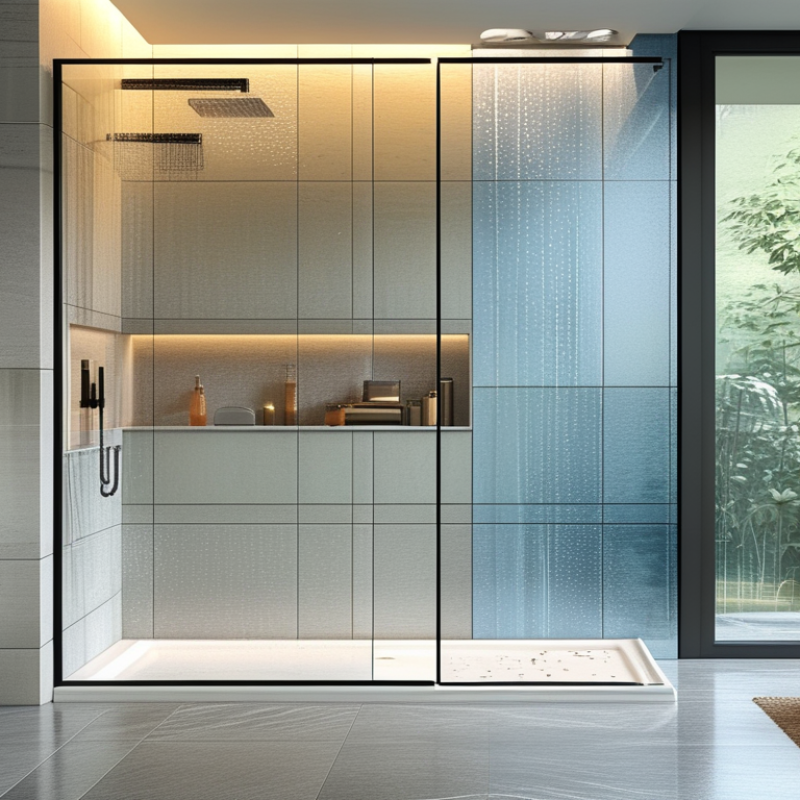
Choosing the right sliding shower screen can greatly enhance your bathroom's aesthetic. Design options available today offer a range of styles to suit various tastes. Frameless screens provide a sleek, modern look. They create an illusion of space, making your bathroom feel larger. These screens are easy to clean and maintain, adding to their appeal.

On the other hand, framed sliding shower screens come in various finishes. The metal frames can add a touch of elegance and warmth. Options like brushed nickel or matte black can complement different color schemes in your bathroom. Additionally, patterned or frosted glass can provide necessary privacy without sacrificing style.

Consider the overall theme of your bathroom when making a choice. Mixing styles can lead to an eclectic look but can also clash. Paying attention to the small details can have a big impact. Optimal lighting and wall color should align with the design of your sliding shower screen. Sometimes, it’s this attention to nuances that truly elevates the space. Experimenting can yield great results, but it’s crucial to find a balance that feels harmonious.

Budgeting: How Much Should You Spend on a Sliding Shower Screen?

When budgeting for a sliding shower screen, consider factors beyond the initial price. Quality materials, such as tempered glass, can significantly influence costs. Screens made from affordable materials might seem attractive, but they may not last long. Their lower longevity can lead to additional expenses in the future.

Think about the installation process, as this can add to your overall budget. Hiring professionals or tackling the job yourself affects the final cost. A well-installed screen enhances both functionality and aesthetics. Don’t compromise on quality for the sake of saving a few dollars. Look for options that offer durability and safety.

It’s also important to consider style and design. A more complex design may come with a higher price tag. While a simple, minimalist screen is often cheaper, it may not fit all aesthetics. Reflect on how the screen will blend with your bathroom decor. Balancing style and budget can be challenging but necessary for a cohesive look. Avoid rushing your decision. Take your time to compare choices and ensure you’re making a wise investment.

Installation Considerations for Sliding Shower Screens

When choosing a sliding shower screen, installation plays a crucial role. Proper installation can enhance both functionality and aesthetics. You need to measure your space accurately. This ensures a snug fit and prevents water leakage. Each fitting should be checked for stability. Unstable screens can lead to accidents.

Tips: Always have a second pair of hands during installation. It makes the process smoother. If you are unsure about your skills, consider hiring a professional installer.

Consider the wall type before installation. Tiles may require special adhesives. Drywall might need additional support. Additionally, think about the screen's height. A screen too short could lead to splashing.

Tips: Use a level to ensure alignment. Misaligned screens not only look bad but can also compromise usability. Take your time to adjust each aspect. Patience during installation will pay off in the long run.

FAQS

: How do I measure my bathroom space for a sliding shower screen?

: Use a reliable tape measure to assess the height and width of your shower area.

Why is the choice of material important for a shower screen?

Materials affect durability and aesthetics. Glass is sleek, but tempered glass offers better safety.

What are the pros and cons of acrylic versus glass?

Acrylic is lightweight and cheaper, but glass looks more upscale. Consider what matters most to you.

How can I ensure a sliding screen fits my shower area?

Measure twice and mark where the screen will be fixed. This helps avoid installation mistakes.

What should I consider about the wall surfaces?

Ensure they are straight and even to prevent installation issues and gaps.

How does ventilation impact a shower screen choice?

Lack of airflow can trap moisture and cause mold. Proper ventilation is essential.

Why is hardware quality important for sliding screens?

Robust rollers and tracks ensure smooth operation. Check for rust-resistant materials for longevity.

How thick should the glass be for durability?

Aim for at least 5mm thickness for optimal sturdiness and safety.

What should I consider if my space is cramped?

A smaller screen may be more practical to allow easier movement and access.

What is a key maintenance tip for sliding shower screens?

Regular cleaning and checks can prevent wear and keep the screen functioning well.

Conclusion

When selecting the best sliding shower screen for your bathroom, it's essential to understand the various types available on the market. Key factors to consider include the dimensions of your space, ensuring a perfect fit by accurately measuring your bathroom. Additionally, the materials used in the shower screen significantly impact its durability, so consider looking for options that balance strength and aesthetics.

Explore different design styles to find a sliding shower screen that complements your bathroom decor while fitting within your budget. Installation considerations are also crucial, as they can affect the screen's functionality and longevity. By evaluating these aspects, you can make an informed decision that enhances your bathroom's design and utility.


Blog Tags:

    Sophia

    Sophia

    Sophia is a dedicated marketing professional specializing in the global sanitary ware industry. With a deep understanding of the needs of finished shower enclosure manufacturers, foreign trade distributors, and project contractors, she plays a crucial role in connecting these stakeholders with......
    Next How to Choose the Best Bathroom Shower Screen for Your Needs