Choosing the right bathroom shower screen isn’t just about looks – it's also about functionality. I mean, a good shower screen can really make a difference in how your bathroom feels and functions every day. Sarah Johnson, the bathroom design expert over at Luxe Interiors, puts it nicely: "A really well-chosen shower screen can do wonders – it not only makes your space look better but also adds a little something to your daily routine." So, taking the time to understand what you need can totally change how you pick out the perfect one.
When you're considering a shower screen, it’s good to think about a few key things. For example, how big is your bathroom? The layout matters a lot – the design of the screen can influence how much light comes in and whether the space feels open or cramped. Also, don’t forget about the material. Glass looks fancy and sleek, but keep in mind, it might need more cleaning over time.
And every choice you make has its good and bad sides. Like, a framed screen might be super sturdy, but it could also make the shower area feel a bit boxed in. It’s all about weighing these things carefully. Every decision shapes your whole bathroom experience, so it’s worth taking your time to pick thoughtfully instead of rushing into it.
Understanding Different Types of Bathroom Shower Screens Available
When selecting a bathroom shower screen, understanding the various options is crucial. There are mainly three types: framed, semi-framed, and frameless screens. According to a 2022 industry report, frameless shower screens are becoming increasingly popular, making up nearly 45% of the market share due to their sleek design and modern appeal. These screens create an open feel in a bathroom, enhancing natural light and making the space appear larger.
Framed screens offer a sturdier option and are generally more affordable. They are easier to install, making them a practical choice for many homeowners. The market data also shows that semi-framed screens are favored for their balance of style and strength, appealing to a wide range of consumers. Consider your bathroom’s size and style before making a choice, as it directly affects the overall aesthetic.
Tip: Measure your space accurately. This step is often overlooked but is essential for a perfect fit. Ensuring that the screen complements your bathroom's decor will enhance its visual appeal.
Be wary of trends. While frameless screens look stunning, they might require more maintenance. They can showcase water spots, making regular cleaning essential. Homeowners need to reflect on their lifestyle when choosing.
How to Choose the Best Bathroom Shower Screen for Your Needs - Understanding Different Types of Bathroom Shower Screens Available
| Type |
Material |
Advantages |
Disadvantages |
Best For |
| Frameless |
Tempered Glass |
Sleek appearance, easy to clean, creates an open feel |
More expensive, requires professional installation |
Modern bathrooms, small spaces |
| Semi-Frameless |
Tempered Glass |
Balanced cost and aesthetics, easier to clean |
Less durable than fully framed options |
Contemporary bathrooms |
| Framed |
Aluminum/Glass |
Budget-friendly, durable, easy to install |
Can look bulky, may be harder to clean |
Traditional bathrooms, budget constraints |
| Bi-Fold |
Glass/Aluminum |
Space-saving, easy access |
May not fit all styles, hinges can wear out |
Small bathrooms |
| Sliding |
Glass/Aluminum |
Saves space, modern look |
Track can collect dirt, requires regular maintenance |
Modern and minimalistic bathrooms |
Evaluating Material Options for Durability and Aesthetics
Choosing the right bathroom shower screen is essential for both durability and aesthetic appeal. The material you select can greatly impact its longevity and the overall look of your bathroom. Common materials include tempered glass, acrylic, and polycarbonate. Research shows that tempered glass is resistant to thermal shock, making it a popular choice for many homeowners. It offers a sleek appearance and can withstand daily use.
Acrylic is lightweight and often more affordable. However, it may scratch more easily than glass. Polycarbonate, on the other hand, is exceptionally durable and impact-resistant, making it suitable for households with children. However, its appearance may not match the high-end look of glass.
Tips: Choose tempered glass for a blend of aesthetics and durability. Regular cleaning can enhance the longevity of your screens. Ensure that the frames you select complement the overall bathroom design, as mismatched elements can detract from your space.
Remember, while the material is important, installation matters too. A poorly installed screen can fail regardless of its quality. Homeowners should consider hiring professionals to guarantee proper installation. Taking the time to evaluate your options could save money in the long run. Selecting the right shower screen material is not just a choice; it reflects your style and home care preferences.
Measuring Your Space for a Perfect Fit Shower Screen
Choosing the right shower screen starts with precise measurements. A perfect fit ensures both functionality and aesthetic appeal. Begin by measuring the width of your shower area. This includes the entire space where the screen will be installed. Note any irregularities, such as slanted walls or unlevel flooring. These details matter.
Next, measure the height from the shower base to the ceiling. Consider any fixtures, like showerheads or shelves, that might impact the height choice. Having a clear understanding of these dimensions will help in selecting a shower screen that complements your bathroom.
Tips for accurate measurements: use a reliable measuring tape and double-check your figures. Mistakes can lead to costly errors. Additionally, draw a diagram with your measurements. This visual aid can highlight potential concerns or adjustments needed.
Remember, it’s better to take your time than rush through this important step. An inch off can lead to frustrations during installation. Ensuring a snug fit can enhance both the functionality and beauty of your bathroom design.
Assessing Functionality: Sliding vs. Hinged Shower Screens
Choosing between sliding and hinged shower screens can be a challenge. Both styles have unique benefits, depending on your bathroom layout and personal preferences. According to a report by the National Kitchen & Bath Association, sliding screens are popular in small bathrooms due to their space-saving design. They don't require extra clearance, making them ideal for tighter spaces.
Hinged shower screens, on the other hand, offer a more traditional aesthetic. They swing open, which can lead to a wider entry. Reports indicate that this style is preferred in larger bathrooms where there’s enough clearance space. However, they may require more maintenance, as hinges can wear over time.
Tips: Consider your available space. If you're dealing with a smaller area, sliding screens may maximize your bathroom's functionality. Think also about cleaning ease. Sliding screens often have tracks that can accumulate grime. Regular maintenance can prolong their lifespan. Ultimately, personal taste plays a crucial role. Reflect on what aligns with your daily routine and aesthetics.
Comparative Analysis of Shower Screen Types
Choosing Between Frameless and Framed Shower Screens
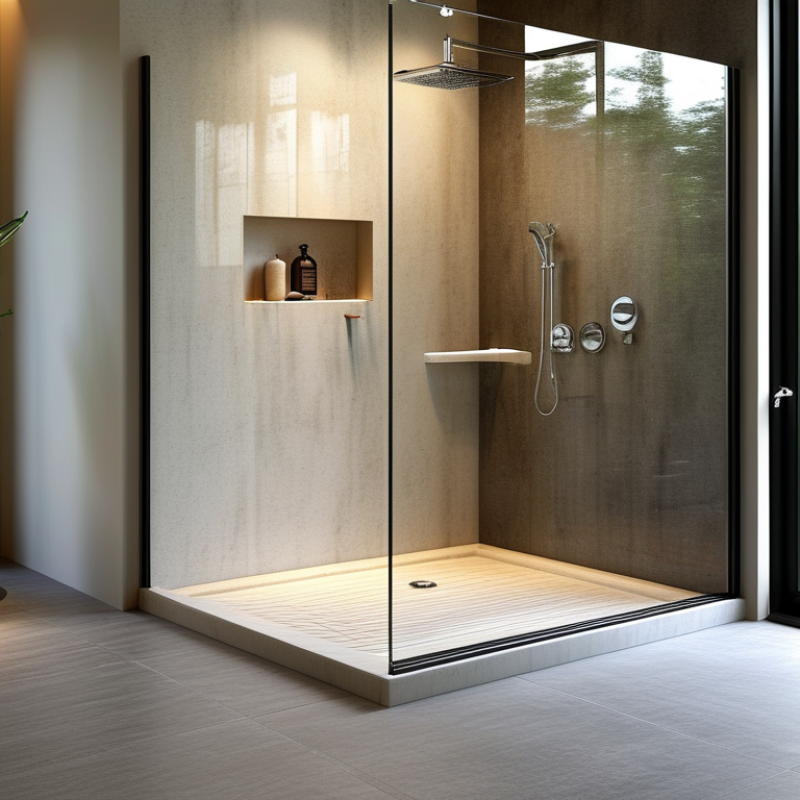
When considering a shower screen, the choice between framed and frameless options can significantly impact both aesthetics and functionality. Frameless shower screens exude a modern and sleek appearance. They create a sense of open space, making your bathroom feel larger. Typically made of thicker glass, these screens offer a luxurious look. However, they may require more effort to maintain, as they show water spots and soap scum more easily.
Framed shower screens, on the other hand, provide additional structural support. They come in a variety of designs and finishes, allowing you to match them more closely with existing bathroom fixtures. These screens can be easier to clean and maintain than their frameless counterparts. However, their design can sometimes feel bulkier, which might detract from the airy feel of your space.
Understanding your personal preferences and your bathroom's style is crucial. Consider the maintenance level you are willing to commit to. Assess the overall look you want to achieve. It can be challenging to decide, especially with both options having distinct advantages and drawbacks.
Considering Maintenance and Cleaning Requirements
When choosing a bathroom shower screen, maintenance and cleaning requirements are vital. A screen can add elegance, but it needs regular care. Different materials require different upkeep. For example, glass screens may need special cleaners to avoid streaks. Consider how often you clean your bathroom. Will you find time to wipe down the screen daily, or do you need something lower maintenance?
Tips: Use a squeegee after each shower. This simple action can prevent water spots and soap scum buildup. Choosing a shower screen with a protective coating can also make cleaning easier. These coatings help repel water and grime.
Another factor is the design. Frameless screens may look sleek but can gather dirt in crevices. If you prefer style, be ready for more frequent cleaning. On the other hand, framed options may have easier cleaning surfaces. Think about your tolerance for visible grime. A model that fits your cleaning habits will serve you better in the long run.
Budgeting: How Much Should You Spend on a Shower Screen?
When considering a shower screen, budgeting is critical. Prices range widely, typically from $100 to over $1,000. Factors influencing the price include materials, size, and design. A simple, frameless option may cost less than a custom-built unit.
Tips: Set a budget before shopping. Research the materials available. Some materials are more durable but also pricier. Others are cheaper but may not last as long.
Think about your space. In smaller bathrooms, a bi-fold door could be more practical. These doors save space yet provide excellent functionality. On the other hand, larger bathrooms may benefit from a walk-in screen. These offer a luxurious feel and make cleaning easier.
Tips: Measure your area. Ensure you know the exact dimensions before making a purchase. Also, consider the installation costs. DIY may save money, but hiring a professional can ensure quality. Choose wisely for the best long-term value.
Market Growth Insights: The Rise of Stainless Steel Diamond Side Sliding Shower Rooms in the Modern Bathroom Industry
The modern bathroom industry is witnessing a significant transformation with the increasing popularity of stainless steel diamond side sliding shower rooms. This innovative design not only enhances the aesthetic appeal of bathrooms but also addresses practical needs, making it a favored choice among homeowners and designers alike. The unique diamond bevel corner structure, combined with a side sliding door system, optimizes the use of space, allowing for a seamless integration in various bathroom layouts without the inconvenience of outward-swinging doors.
Stainless steel shower rooms are especially suited for contemporary settings, from high-end apartments to commercial hotel renovations. Their sleek geometric appearance and functional design resonate with a growing demand for stylish yet practical bathroom solutions. As these shower rooms gain traction across Europe, America, and Southeast Asia, they are becoming synonymous with medium and high-end bathroom decor. The durability and elegance of stainless steel further elevate their status, making them a smart investment for those looking to enhance their living spaces with modern flair.
FAQS
: There are three main types: framed, semi-framed, and frameless screens.
They offer a sleek design and create an open feel in the bathroom.
They are sturdier, more affordable, and easier to install.
Sliding screens save space, while hinged screens swing open for easier access.
Accuracy in measuring your space is essential for a perfect fit.
They can showcase water spots and require more frequent cleaning.
Their tracks can accumulate grime, which needs regular maintenance.
Frameless screens look modern, while framed ones offer a bulkier but supportive design.
Consider your maintenance willingness and the overall look you want to achieve.
Think about your daily routine, available space, and personal style preferences.
Conclusion
Choosing the best bathroom shower screen involves understanding the different types available, such as sliding or hinged screens, and weighing their functionality based on your preferences. It's essential to evaluate material options that offer both durability and appealing aesthetics to complement your bathroom decor.
Measuring your space is critical for ensuring a perfect fit, whether you opt for a frameless or framed shower screen. Additionally, consider maintenance and cleaning requirements to ensure long-term satisfaction. Finally, budgeting is key; determine how much you're willing to spend to find a shower screen that meets both your needs and financial parameters. By addressing these aspects, you can confidently select the ideal bathroom shower screen for your home.