Leave Your Message
Picking out a Pivot Shower Door in 2026 isn’t just about choosing the right glass and hardware. It’s really about thinking through how it moves, how safe it is, how easy it is to keep clean, ventilate, and, honestly, how it feels on a daily basis. A gorgeous door might look really nice, but if it swings in a way that blocks your vanity or hits the towel rack, it can quickly become more of a hassle than a highlight.
More recent advice actually supports this broader perspective. The National Kitchen & Bath Association’s 2024 Bath Design Trends Report mentions the importance of features like aging-in-place, easier maintenance, and generally making the bathroom more functional. Plus, the 2024 U.S. Houzz Bathroom Trends Study shows folks are still investing in upgraded showers and personalized fixtures. Now, these reports don’t talk about every Pivot Shower Door specifically, but they do point us toward an important question: how well will this door actually work for real people after it’s installed?
Mary Jo Peterson, who’s a well-known bathroom planning pro (she’s CKD, CAPS), has a simple but solid tip: “The bathroom should work for whoever’s using it.” That pretty much sums it up. Take a moment to measure how far the door swings open. Check if the handle hits the nearby glass—no surprises there. Make sure the hinges, seals, and wall structure are solid enough to handle the door’s weight and movement. Even small mistakes here can turn into daily annoyances.
Now, a pivot door might be perfect for a small bathroom, but it’s not always the best choice. If the swing is too wide, it can eat up precious floor space. Conversely, if it opens in a tight spot, it might feel cramped and uncomfortable. Frameless glass looks sleek and modern, but it can also require a really careful installation—so don’t just buy based on looks alone. When you’re comparing options, pay attention to clearances, glass thickness, warranty details, water management features, and how experienced your installer is. Sometimes, the most expensive option isn’t the best—more often, it’s the one that just *works* quietly and reliably every morning without a fuss.
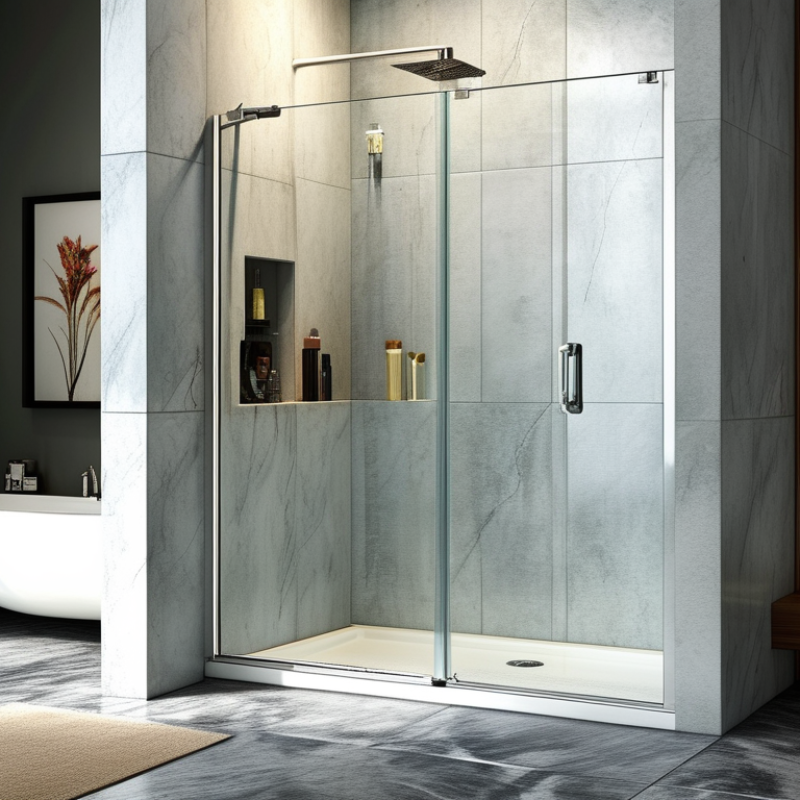
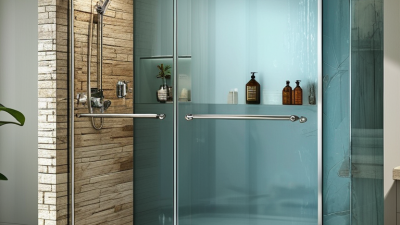
A pivot shower door is a glass panel that rotates on pivot hardware rather than sliding along a track. The pivots usually sit near the top and bottom of one vertical edge. When you pull the handle, the panel swings through an arc into, out of, or both directions of the shower enclosure. That movement feels simple, but it needs accurate planning. I once underestimated the swing radius and found the door nearly touched a nearby vanity. Small mistake. The bathroom needed a new layout.
Unlike a framed sliding door, a pivot model leaves no floor track for rollers or trapped soap. This can make cleaning easier and create a more open appearance. However, the door requires clear space outside the shower. Measure from the pivot edge, not only the opening width. Measure twice. Check the handle path, wall angles, fixtures, and finished floor. A professional installer should confirm wall strength, glass alignment, hinge loading, and water-seal placement. Tempered safety glass is commonly used, but its thickness and treatment should match the enclosure design. Never assume a wider panel is automatically better.
Choose the swing direction around daily movement. A door opening toward a towel rail may look convenient during installation and become irritating later. Magnetic or flexible seals can reduce splashing, yet they cannot correct a poorly leveled panel. The bottom gap also matters; too much clearance can send water across the floor. I prefer testing the door with cardboard before drilling. It is not elegant, but it reveals awkward collisions early. Some measurements still need rechecking, especially in older bathrooms where walls are rarely square.
| Evaluation Dimension | What a Pivot Shower Door Is or Does | Typical Information | What to Check Before Buying |
|---|---|---|---|
| Basic definition | A pivot shower door is a hinged glass door that rotates around one or more pivot points instead of sliding along a track. | The pivot hardware may be mounted at the side, near the top and bottom, or slightly inward from the jamb. | Confirm the pivot location, hinge-side clearance, and whether the door opens inward, outward, or in both directions. |
| How it works | When the handle is pushed or pulled, the pivot set transfers the load through the glass and allows the panel to swing around its vertical axis. | Many systems use a self-centering mechanism that helps return the door to a closed position. | Check the maximum glass weight, required wall support, closing action, and adjustment range of the hardware. |
| Door configuration | Pivot doors can be used as a single door, a door with fixed side panels, or as part of a corner enclosure. | Common layouts include alcove, corner, neo-angle, and walk-in shower arrangements. | Measure the finished opening at the top, middle, and bottom. Use the smallest measurement when checking fit. |
| Swing clearance | The door needs an unobstructed arc for opening and closing, unlike a sliding door that remains within the enclosure footprint. | The required clearance depends on the door width, pivot position, handle projection, and opening direction. | Keep the swing path clear of toilets, vanities, towel bars, radiators, and nearby doors. Follow local safety requirements for outward opening. |
| Usable entry width | The walk-through opening is usually smaller than the overall door or enclosure width because the glass panel and pivot hardware occupy part of the opening. | A practical residential entry is often planned around approximately 22–30 inches, but actual clearance varies by design and local requirements. | Measure the clear opening with the door fully open. Do not rely only on the nominal door size. |
| Glass thickness | The glass panel is normally safety-tempered glass designed to break into relatively small granules rather than large sharp shards. | Common residential thicknesses are approximately 6 mm, 8 mm, and 10 mm, depending on the enclosure design and hardware. | Verify that the pivot hardware is rated for the selected glass thickness and panel weight. Never drill or cut tempered glass after manufacture. |
| Framed versus frameless | Framed models use more metal around the glass, while frameless models rely on thicker glass and structural hardware. | Framed systems generally offer more adjustment and may be more forgiving of imperfect walls. Frameless systems provide a more open appearance. | Compare wall plumb, glass thickness, adjustment range, installation skill, and hardware load rating. |
| Wall adjustment | Adjustment features help compensate for small variations in the finished opening and wall alignment. | Many residential systems provide roughly 10–25 mm of total adjustment, although the exact amount varies by model. | Measure the actual adjustment range and compare it with the smallest and largest opening dimensions. |
| Water management | Seals, sweeps, thresholds, and properly aligned joints help direct water back into the shower area. | A pivot door is not automatically watertight; performance depends on the enclosure design, floor slope, seals, and installation. | Check seal placement, threshold requirements, door overlap, showerhead direction, and the recommended installation tolerances. |
| Accessibility and daily use | A pivot door can provide a wide, unobstructed entry when the swing path and clear opening are properly planned. | Outward or dual-swing operation may improve usability, but the correct arrangement depends on the room layout and applicable regulations. | Consider wheelchair or walker access, handle height, threshold height, emergency access, and the required local clearances. |
| Cleaning and maintenance | With no full-length sliding track, a pivot enclosure may have fewer concealed channels where soap residue and standing water can collect. | Regular squeegeeing, mild non-abrasive cleaning, and inspection of seals and fasteners help maintain performance. | Choose corrosion-resistant hardware and ensure replacement seals and pivot components are available. |
| Installation requirements | The wall, curb, or fixed panel must support the pivot hardware and keep the glass accurately aligned. | A level base, plumb walls, suitable blocking, accurate drilling, and correct sealant application are important for safe operation. | Locate structural backing before tiling or drilling. For heavy frameless glass, professional installation is strongly recommended. |
| Best choice when | A pivot shower door is often suitable when you want a hinged entry, a clean visual layout, and enough room for the door to swing safely. | It works especially well in alcove or corner layouts where a sliding track would reduce access or conflict with the enclosure design. | Choose another configuration if the bathroom cannot provide the required swing clearance or if a compact sliding entry is essential. |
Note: Dimensions and adjustment ranges are typical residential planning values, not universal specifications. Always confirm the final measurements, glass rating, hardware capacity, installation instructions, and local building or accessibility requirements before purchase.
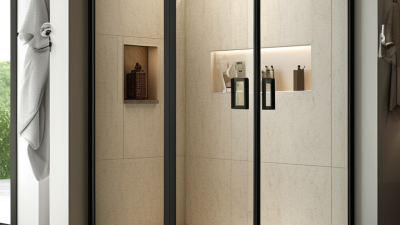
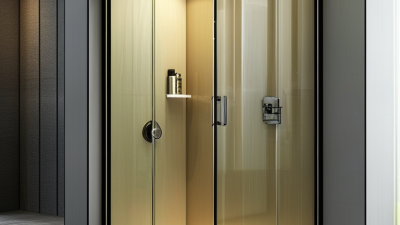
The 2024 smart bathroom market report highlights a clear shift toward integrated design, intelligent functionality, durability, and refined visual quality. In this evolving environment, luxury shower enclosures are no longer treated as simple bathroom partitions. Stainless steel profiles and precision hinge swing doors provide the structural reliability and minimalist appearance required for high-end villas, spacious private bathrooms, star-rated hotels, and premium renovation projects.
As a specialized Chinese manufacturer, we supply export-grade stainless steel shower profile solutions for complete hinge-door shower rooms. Made from premium 304 stainless steel, our profiles resist oxidation, blackening, corrosion, and deformation more effectively than conventional aluminum alternatives. Their rigid construction supports stable door operation, accurate installation, and long-term performance in humid environments, while carefully engineered connections help improve waterproof protection around the enclosure.
The combination of slim stainless steel framing, smooth hinge movement, and transparent glass creates an open, modern atmosphere that complements smart bathroom concepts and luxury interior styles. These systems can be adapted to different enclosure dimensions and project requirements, offering practical flexibility without compromising appearance. For contractors, designers, and international suppliers seeking dependable solutions, stainless steel shower profiles provide a durable foundation for sophisticated bathroom spaces where performance, hygiene, and contemporary elegance must work together.
: It is a glass panel that swings on vertical pivot hardware. The door can open inward, outward, or both ways. It does not slide along a floor track.
It needs clear space across the entire swing radius. Measure from the pivot edge, not only the doorway width. Check the toilet, vanity, towel rail, and handle path. Measure twice.
Usually, yes. It has no floor track where rollers and soap can collect. However, glass, hinges, seals, and bottom gaps still need regular cleaning.
A 36-by-36-inch enclosure suits many compact bathrooms. It may still feel tight near the elbows. A 30-by-60-inch layout offers more movement when the room allows it. Bigger is not always better.
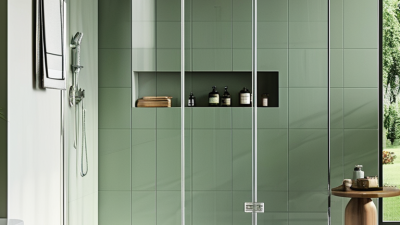
A single door suits a wide, straight opening. A fixed panel adds splash protection beside the moving door. A neo-angle layout can save corner space. Its entry may feel narrower.
Clear tempered safety glass keeps a small bathroom visually open. Low-iron glass gives cleaner color and brighter edges. Textured glass improves privacy but may hold more soap residue. Thicker glass can feel steadier, but thickness alone proves little.
They require accurate walls, strong support, and careful alignment. Semi-framed models can hide minor opening irregularities. Full frames may add structure and improve water sealing. Old walls are rarely square.
Moisture-resistant metal hardware suits regular bathroom use. Polished finishes show fingerprints quickly. Brushed finishes hide marks more effectively. Inspect hinges, screws, seals, and adjustment points before ordering.
Tape the planned swing on the floor for one full day. A cardboard panel can also imitate the door. This may reveal collisions with a vanity or towel rail. It is not elegant. It works.
Choosing the right Pivot Shower Door in 2026 requires balancing bathroom layout, daily comfort, safety, and long-term durability. A pivot door opens by rotating on hinges, making it suitable for many shower spaces, but the available clearance must be checked carefully. Consider the shower’s width, height, and configuration, then select a suitable glass style, frame design, and hardware material. Clear or textured glass can affect privacy and light, while properly finished metal components should resist moisture and regular use.
Door swing and installation position are equally important, especially in compact bathrooms or shared spaces. The door should open safely without striking fixtures, walls, or users. Look for features such as tempered safety glass, secure hinges, reliable seals, smooth edges, and water-resistant construction. Accurate measuring before installation helps prevent gaps and alignment problems. After installation, routine cleaning, drying, hardware checks, and seal maintenance can keep the Pivot Shower Door attractive, stable, and effective for years.