inquiry
Leave Your Message
0%

Buying a shower cabin from another country isn't just about glancing at shiny photos or hunting for the lowest price. The global market for shower enclosures is really booming right now, but it’s worth noting that estimates can vary quite a bit depending on how you define what a shower cabin actually is. For instance, Fortune Business Insights mentions a multi-billion-dollar industry in their report, while Grand View Research points out that renovations, city living, and space-efficient bathroom designs are driving demand. Just keep in mind, these numbers give you a general idea — they’re not set in stone. Different people might categorize cabins, enclosures, doors, or full bathroom systems differently, so figures can differ accordingly.

When you’re actually shopping around, a good rule of thumb is to connect market info with real-world installation experience. Before you even pick out finishes, make sure to measure your bathroom opening, ceiling height, drain location, and how you’ll access the space. Sometimes, just a few centimeters difference can totally change your installation plan. Plus, the World Health Organization emphasizes the importance of safe water, sanitation, hygiene, and sustainable facilities for public health. That means paying attention to glass quality, leak prevention, ventilation, and how easy it is to clean—these aren’t just design details, they impact daily life and long-term reliability.

Honestly, little details really do matter.

In this guide, I’ve put together ten tips covering everything from tempered glass standards, frame and tray materials, hardware quality, packaging, certifications, to warranty and after-sales support. Instead of just trusting fancy marketing language, it’s smarter to compare technical drawings, testing reports, and get references from suppliers. Also, don’t forget to have a qualified professional double-check local building codes and electrical requirements—you don’t want surprises after installation. No checklist can catch everything, though—things like shipping damage, weird measurements, or hard-to-find spare parts can still catch you off guard and end up costing you quite a bit.

A good, trustworthy supplier will answer these questions before you pay, not after the install. Remember, the perfect shower cabin isn’t always the most expensive or luxurious one—it’s the one that fits your space, climate, regulations, how you like to maintain it, and your long-term needs.
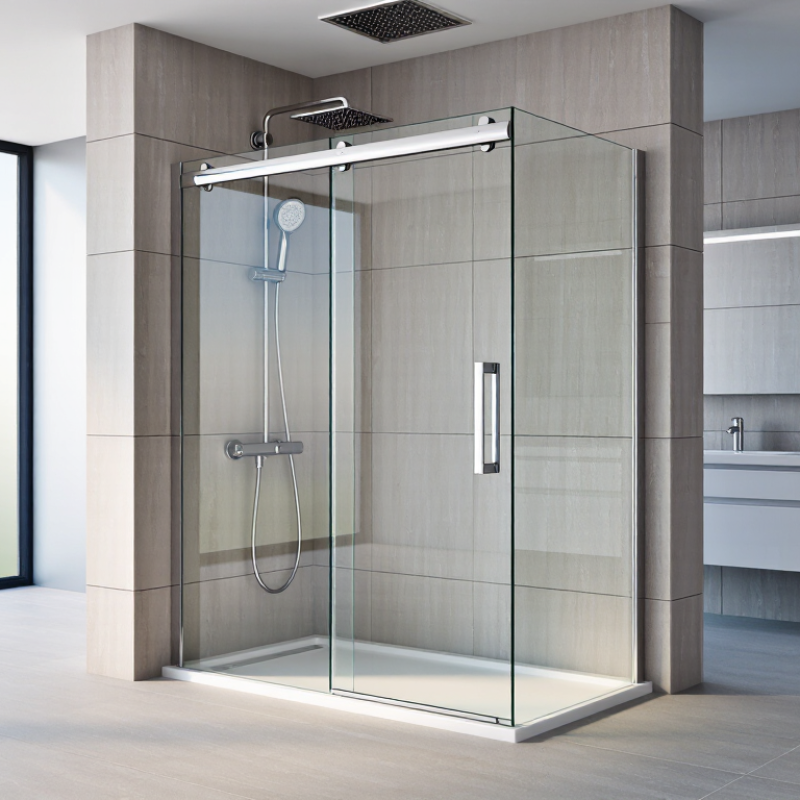
10 Shower Cabin Buying Tips for Global Buyers

Understanding Shower Cabin Types and Their Main Features

Choosing a Shower Room starts with understanding its structure, not its appearance. Framed cabins use metal supports around each glass panel. They are usually stable and forgiving when walls are slightly uneven. Frameless designs create a cleaner view, but they need accurate installation and strong wall fixing. Small errors can cause leaks.

A walk-in cabin has an open entrance and a low tray, making access easier for many users. It also needs careful splash control, especially near wooden floors. Quadrant cabins fit neatly into corners and save valuable bathroom space. Sliding doors work well in narrow rooms, while hinged doors need clear opening space. Measure the finished area, not the unfinished wall.

Glass thickness, door rollers, seals, and tray strength deserve close inspection. Tempered safety glass is widely used, but local building rules still matter. Check drainage capacity and whether replacement seals are available in your region. Ventilation is another practical feature. Without it, steam may leave water marks and encourage mold growth.

From installation experience, a level tray prevents many problems. Yet even good hardware cannot correct poor measurements. I once underestimated a door swing by only a few centimeters. It changed the whole layout. Choose corrosion-resistant fittings for humid rooms, and ask for clear maintenance instructions. A stylish cabin is useful only when it remains dry, stable, and easy to clean.

Measuring Bathroom Space and Confirming Installation Requirements

Before ordering a shower cabin, measure the finished bathroom, not the rough construction area. Record wall-to-wall width, ceiling height, door swing, drain position, and the distance from nearby fixtures. A small error can block the entrance or leave the door hitting a toilet. Measure twice. I still recommend photographing corners and marking pipe locations on the floor.

The 2024 International Residential Code uses 30 inches as a common minimum shower dimension in the United States. However, this benchmark is not a universal global requirement. Local plumbing, glass-safety, electrical, and accessibility rules may differ. Confirm the cabin’s opening direction, glass thickness, tray level, waterproofing method, and required clearance with a qualified installer. Product drawings are useful, but they are not approval documents.

Water and ventilation also affect installation. The U.S. Environmental Protection Agency reports that WaterSense showerheads use no more than 2.0 gallons per minute, compared with the federal standard of 2.5. Efficient flow can reduce drainage demand, but poor ventilation still encourages condensation and mold. Check whether the room has mechanical extraction, especially in compact apartments. My practical mistake was measuring the cabin footprint but forgetting the delivery path. A narrow stairwell can reject a perfectly suitable enclosure. Record hallway widths, lift dimensions, and door clearances before confirming the order.

Selecting Glass, Frame, Tray, and Hardware Materials

10 Shower Cabin Buying Tips for Global Buyers

Selecting glass, frame, tray, and hardware materials requires more than attractive photographs. A reliable Shower Booth starts with certified safety glass. Choose fully tempered glass, commonly 6–8 mm thick, and request compliance with EN 12150-1 or ANSI Z97.1. These standards address fragmentation and impact performance. Clear glass shows water spots quickly. Low-iron glass looks brighter, but costs more. I prefer easy-clean coatings in hard-water regions, although coatings still need regular wiping.

Check the frame before admiring the finish. Stainless steel offers strong corrosion resistance, especially in humid coastal bathrooms. Grade 316 generally performs better than 304 near salt air. Powder-coated aluminium reduces weight, but inspect coating thickness and corner joints. The tray should have a firm underside, a visible drainage slope, and a slip-resistant surface. EN 14428 evaluates shower enclosure durability, water retention, and operational performance. Ask for test documentation, not promises. Measure twice. Tiles are rarely perfectly level.

Hardware often exposes weak manufacturing. Solid brass or stainless-steel hinges should move smoothly without scraping. Small nylon rollers can wear early under heavy glass. Confirm replacement availability across your market. The U.S. National Glass Association stresses correct glass handling, edge protection, and professional installation. One overlooked detail remains common: doors need clearance for cleaning and emergency access. A beautiful cabin can still fail in a narrow bathroom. I would also inspect silicone joints after installation, because small gaps invite hidden moisture.

Checking Safety Standards, Certifications, and Water Resistance

When evaluating a shower cabin for export, treat safety documents as purchase essentials, not simple paperwork. Ask for current test reports, material specifications, and certification details. Confirm that the glass is tempered or laminated safety glass. A small etched marking should match the supplied documents. Certification rules differ between countries, so verify requirements with a local importer or building professional.

Water resistance deserves a hands-on check. Inspect door seals for even contact, especially around the lower corners. Ask whether the cabin passed a controlled spray or leakage test. Look at the threshold design and drainage slope. Water escaping onto a bathroom floor can damage flooring and create slip risks. A Shower Screen may look tight in photos but fail after installation. Request clear installation drawings and sealant instructions.

Reliable sellers should explain testing methods without avoiding technical questions. Compare certificate numbers, issue dates, and product descriptions carefully. In practical inspections, I have found tiny gaps near hinges that were easy to miss. That experience changed my checklist. I now examine doors from several angles and open them repeatedly. My process is not perfect, and installation quality still affects performance. For cabins with electrical components, check the required local protection rating separately. Never accept “waterproof” as enough evidence.

Comparing Suppliers, Customization Options, and Total Costs

Choosing a shower cabin is rarely just a product decision. It is a sourcing decision.

When comparing suppliers, inspect more than catalog images. Request glass thickness, hardware grades, leak-test records, and installation drawings. A reliable supplier explains tolerances clearly. Ask how cartons are reinforced for long-distance transport. One cracked panel can erase an attractive factory price. Check production capacity, quality-control steps, response times, and replacement procedures. Video inspections can help, but they do not replace documented evidence.

Customization changes the budget quickly. A standard Shower Enclosure may need only size confirmation. Custom colors, curved glass, special drainage, and unusual door openings require additional tooling or engineering. Ask whether the supplier owns the tooling or outsources it. Confirm sample charges, mold fees, minimum order quantities, and revision costs in writing. I would not assume every requested feature improves the cabin. Some details look impressive but complicate cleaning and future repairs. That is worth questioning.

Calculate total cost, not only the quoted unit price. Include packaging, inland transport, export handling, freight, insurance, duties, local delivery, installation, and spare parts. Currency changes can also affect the final figure. Compare quotations line by line. A lower offer may exclude critical hardware or after-sales support. Allow a contingency for damaged goods and site adjustments. My own comparison would still be imperfect, because local labor rates and building conditions are difficult to predict. Verify measurements twice, especially when walls are uneven or bathroom access is narrow.

10 Shower Cabin Buying Tips for Global Buyers - Comparing Suppliers, Customization Options, and Total Costs

No. Buying Tip Key Supplier Comparison Typical Specification or Benchmark Customization Options Indicative Cost Impact Documents and Checks
1 Confirm the exact product scope Check whether the quotation includes the tray, enclosure, doors, glass, frame, seals, handles, waste fitting, shower system, and installation hardware. A basic enclosure normally includes the frame, safety glass, doors, seals, and tray; plumbing fixtures and installation are often separate items. Choose enclosure-only, complete cabin, or cabin with shower column, shelves, lighting, steam, or massage functions. High impact: omitted components can add approximately 10%–30% to the purchase budget. Request a line-item quotation, packing list, product drawings, and a clear statement of inclusions and exclusions.
2 Compare glass safety and thickness Compare tempered safety glass, thickness, edge finishing, certification, visual quality, and replacement availability. Common residential shower-cabin glass is 6–8 mm tempered safety glass. Tempered glass should not be cut or drilled after tempering. Clear, frosted, tinted, patterned, low-iron, or easy-clean coated glass can be specified. Moving from standard clear glass to thicker, low-iron, patterned, or coated glass commonly increases the glass-related cost by about 10%–35%. Ask for glass-test reports, safety markings where required, thickness confirmation, and inspection photos of edges and corners.
3 Verify dimensions and site tolerance Compare finished external dimensions, adjustment range, entry width, ceiling height, tray level, and required wall conditions. Common compact footprints include approximately 800 × 800 mm, 900 × 900 mm, and 900 × 1200 mm; actual usable space depends on the door design. Options include custom width, depth, height, offset shape, sloped ceiling adaptation, left/right opening, and niche placement. High impact: non-standard dimensions may add roughly 15%–40%, depending on tooling and production complexity. Provide a dimensioned site survey showing wall-to-wall measurements, plumb deviations, drain position, door clearance, and finished floor height.
4 Evaluate frame and hardware materials Compare aluminum alloy grade, wall thickness, surface treatment, stainless-steel hardware, rollers, seals, and corrosion resistance. Aluminum frames are widely used for light weight and corrosion resistance; stainless-steel hardware is generally preferred in high-humidity environments. Possible finishes include polished, brushed, matte black, white, bronze, and other powder-coated or anodized colors. Premium hardware and special finishes typically add about 8%–25% compared with standard aluminum and chrome-effect hardware. Request material specifications, coating or anodizing information, roller-cycle test results, spare-parts availability, and warranty terms.
5 Compare supplier production capability Assess quality-control procedures, production capacity, sample approval process, export experience, packaging standards, and response time. For made-to-order products, a practical production lead-time range is often 20–45 days after approved drawings and deposit, excluding transport. Ask whether the supplier can support private-label packaging, multilingual manuals, repeated models, replacement parts, and small-batch orders. More stringent inspection, custom packaging, and small production runs may add approximately 3%–15% to the unit cost. Review factory audit records, quality-control checklists, approved samples, production photographs, and a written lead-time commitment.
6 Check installation and maintenance requirements Compare assembly time, number of installers required, access-panel design, sealant requirements, adjustment range, and serviceability. Many framed enclosures use adjustable wall profiles and mechanical fasteners; silicone sealing is commonly required at specified joints. Choose quick-assembly structures, reversible doors, removable rollers, accessible valves, shelves, towel bars, and spare seal kits. Installation labor varies by region. A complex cabin with electrical or steam features can cost materially more to install than a basic enclosure. Require an installation manual, exploded parts diagram, recommended sealant, electrical requirements where applicable, and cleaning instructions.
7 Calculate logistics beyond the unit price Compare carton dimensions, packed weight, palletization, container utilization, shipping terms, insurance, port charges, and inland delivery. Glass and large cartons are vulnerable to damage; strong corner protection, separated panels, moisture protection, and shock-resistant packaging are important. Options include reinforced export cartons, wooden crates where permitted, barcode labels, pallet-free loading, and mixed-model container packing. Freight, handling, customs, and local delivery can add approximately 15%–40% to the factory price, depending on route, volume, and destination. Request carton count, dimensions, gross weight, cubic volume, HS classification support, shipping term, insurance scope, and damage-claim procedure.
8 Review compliance for the destination market Compare the supplier’s ability to meet local requirements for safety glass, plumbing connections, electrical components, labeling, and documentation. Electrical features may require destination-specific voltage, frequency, plug, residual-current protection, and qualified installation. Customize manuals, warning labels, electrical configurations, drain connections, water inlets, and packaging language. Testing, certification, translation, and market-specific components can add approximately 2%–12% before import taxes and registration costs. Confirm applicable national or regional rules, test reports, declarations, installation instructions, ratings labels, and required importer information.
9 Compare total landed cost, not quotation price Build the comparison using product cost, customization, inspection, freight, insurance, duty, taxes, broker fees, local delivery, installation, and expected replacement parts. Total landed cost = product price + customization + origin charges + freight + insurance + import duty/tax + destination charges + delivery. Compare standard models against customized models using the same shipping term, quantity, currency, packaging, and payment assumptions. A lower factory price may be outweighed by higher freight volume, breakage risk, import charges, or installation complexity. Use a delivered-cost worksheet and request validity period, currency, payment schedule, duty assumptions, and all recurring service costs.
10 Protect quality, warranty, and after-sales support Compare warranty duration, response time, replacement-parts policy, breakage coverage, defect resolution, and technical support. Glass, seals, rollers, handles, cartridges, and electronic components have different service needs and should be listed separately. Specify spare-parts kits, replacement glass availability, service manuals, serialized parts, inspection checkpoints, and packaging for replacement shipments. Holding spare parts commonly adds about 1%–5% to the initial order value but can reduce downtime and emergency freight costs. Include acceptance criteria, pre-shipment inspection, photo records, warranty exclusions, claims deadlines, replacement procedure, and agreed remedies in the contract.
Indicative specifications and cost ranges are planning benchmarks only. Final costs depend on quantity, destination, shipping route, product configuration, local regulations, taxes, and installation conditions.

Planning Shipping, Installation, Maintenance, and After-Sales Support

10 Shower Cabin Buying Tips for Global Buyers

Shipping deserves early attention. UNCTAD’s Review of Maritime Transport 2023 reports that over 80% of global merchandise trade volume moves by sea. Ask for the packed dimensions, gross weight, crate materials, and moisture protection. Confirm delivery duties, port handling, and damage-reporting deadlines before payment. A cabin that fits the bathroom may not fit the elevator. Tip: Request photos of the sealed crate and a parts list. I once underestimated packaging space. That mistake is expensive.

Installation quality affects safety and water control. Check wall tolerances, drainage height, glass thickness, door swing, and local electrical requirements. The installer should test level, silicone joints, rollers, and drainage before leaving. Keep a small access panel where possible. It makes future repairs less destructive. EPA WaterSense specifications limit labeled showerheads to 2.0 gallons per minute, compared with the federal 2.5-gallon standard. Lower flow can reduce splash and moisture, but poor drainage still creates mold risks. Tip: Record the installation date and every sealant product used.

Maintenance and after-sales support should be written, not promised. Clean glass weekly with a non-abrasive product. Inspect seals and hinges monthly. Replace worn seals early. The World Bank’s 2023 Logistics Performance Index highlights tracking and delivery reliability as important logistics measures. Apply that logic to spare parts. Confirm stock locations, response times, warranty exclusions, and video-support options. One weak point remains: many buyers check the warranty only after failure. That is too late. Tip: Save drawings, invoices, serial details, and installation photographs in one file.

10 Shower Cabin Buying Tips for Global Buyers

Planning shipping, installation, maintenance, and after-sales support

The chart shows a practical planning priority score for ten key purchasing areas. Shipping protection, installation readiness, spare parts, warranty terms, and supplier communication deserve particular attention because they directly affect the total ownership experience for international buyers. Scores are planning benchmarks rather than supplier-specific guarantees.

Full Frame 304 Stainless Steel Double Sliding Door Shower Rooms for Modern Bathroom Design

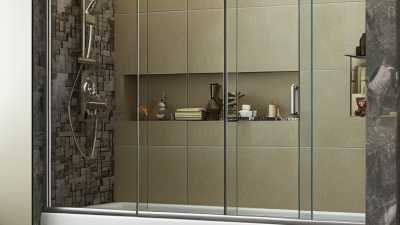
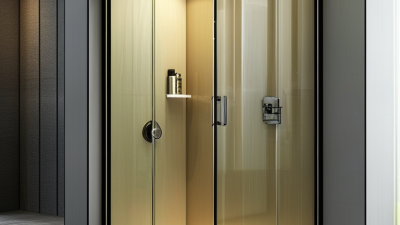
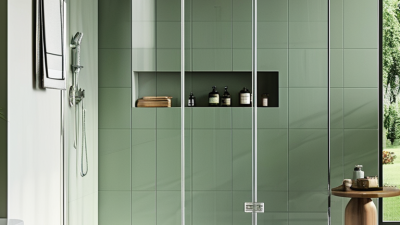
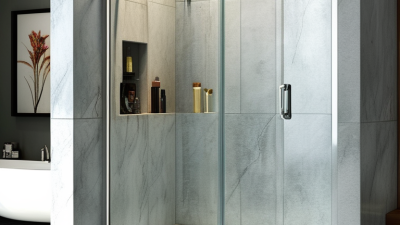
Designed for modern bathroom interiors, the full-frame 304 stainless steel double sliding door shower room combines clean architectural lines with dependable everyday performance. Its one-piece surrounding frame creates a stable, integrated structure, while the stainless steel construction offers strong resistance to moisture, corrosion, and frequent use. The refined appearance complements residential bathrooms, hotel suites, apartments, and commercial renovation projects.

The double sliding door mechanism provides a practical space-saving solution, especially in bathrooms where swing doors may limit movement or furniture placement. Smooth door operation allows convenient entry and exit, while the enclosed shower area helps keep surrounding floors drier and supports a more organized bathroom environment. The full-frame design also simplifies routine cleaning by reducing exposed gaps and maintaining a neat, finished appearance.

Suitable for wholesale and retail applications, this shower enclosure can support different bathroom layouts and project requirements. Custom options may include dimensions, glass configurations, frame finishes, hardware details, and installation arrangements. With a balanced combination of durability, modern styling, efficient space use, and accessible maintenance, it offers a cost-effective choice for bathroom contractors, distributors, property developers, and renovation projects seeking reliable shower room solutions.

FAQS

What bathroom measurements should I take before ordering a shower cabin?

Measure finished wall-to-wall width, ceiling height, door swing, drain position, and nearby fixture distances. Measure twice.

Why should I measure the delivery route?

The cabin may fit the bathroom but fail in a narrow hallway or stairwell. Record hallway widths, lift dimensions, and door clearances.

Is a 30-inch shower size required everywhere?

No. It is a common United States benchmark, not a universal global requirement. Confirm local plumbing and accessibility rules.

What installation details should I confirm with a professional?

Check opening direction, glass thickness, tray level, waterproofing, and required clearance. Product drawings are helpful, but they are not approvals.

How can I check whether the glass is safe?

Request current test reports and material specifications. Confirm tempered or laminated safety glass, with markings matching the documents.

How do I evaluate water resistance before installation?

Inspect door seals for even contact, especially near lower corners. Ask about spray or leakage testing. Check the threshold and drainage slope.

Why are ventilation and water flow important?

Efficient flow can reduce drainage demand. Poor ventilation still causes condensation and mold, especially in compact apartments.

What should I check when the cabin has electrical components?

Verify the required local protection rating separately. Do not treat “waterproof” as sufficient evidence. Local rules may vary.

Can installation quality affect cabin performance?

Yes. Small hinge gaps or uneven seals can cause leaks. I once overlooked a tiny gap, so I now inspect doors from several angles.

Conclusion

Choosing the right Shower Cabin requires more than comparing appearances and prices. Global buyers should first understand the differences between framed, semi-framed, and frameless designs, along with features such as sliding or hinged doors, ventilation, and accessibility. Accurate bathroom measurements are essential to confirm available space, wall conditions, drainage position, ceiling height, and installation requirements. Buyers should also evaluate the quality of the glass, frame, shower tray, seals, rollers, handles, and other hardware, giving priority to durable, easy-to-clean, and moisture-resistant materials.

Safety and water resistance should be verified through suitable standards, certifications, tempered glass specifications, and reliable sealing performance. When comparing suppliers, consider customization options, production consistency, communication, lead times, packaging, and the complete cost rather than the product price alone. Before placing an order, clarify shipping responsibilities, delivery protection, installation guidance, maintenance needs, spare-part availability, warranty terms, and after-sales support. Careful planning helps ensure the Shower Cabin fits the bathroom, performs reliably, and remains practical for long-term use.
Isabelle

Isabelle

Isabelle is a dedicated marketing professional with a wealth of expertise in the global sanitary ware industry. With a strong focus on delivering high-quality stainless steel shower enclosure solutions, she plays an essential role in serving manufacturers, foreign trade distributors, and project......
Previous What Is a Hinged Shower Door and How Does It Work?