Leave Your Message
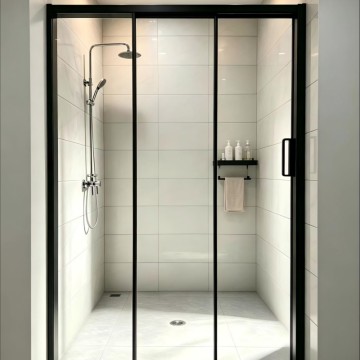
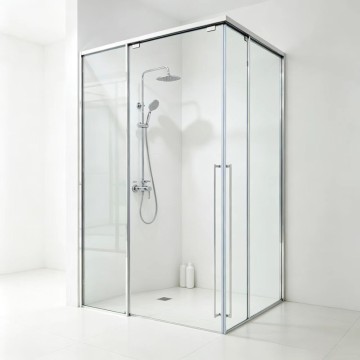
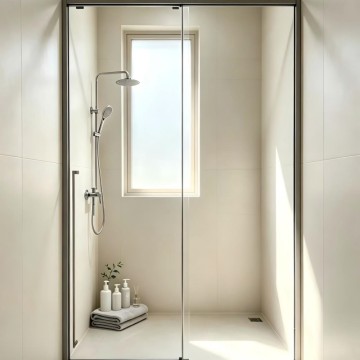
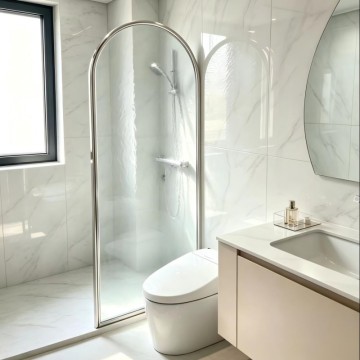
An in-depth analysis of structural hardware, high-load capacities, and the transition toward frameless minimalist architecture in commercial and residential spaces.
Modern interior design and architecture have seen a significant shift toward open-concept environments. Among these transformations, the walk-in shower enclosure has evolved from a functional necessity into a central design statement. The primary driver of this evolution is the demand for clean lines, unobstructed sightlines, and spatial continuity. Traditional framed shower doors rely on metal structures surrounding the glass to distribute load and contain water. However, contemporary architectural trends favor frameless designs that utilize thick tempered glass panels suspended by engineered hardware assemblies. The linchpin of these setups is the heavy-duty frameless swing door hinge hardware assembly, which must balance the physical demands of high-load glass panels with a sleek, invisible aesthetic.
From an engineering perspective, removing the frame transfers all static and dynamic forces directly to the hinges, mounting brackets, and structural walls. When utilizing 8mm to 12mm thick tempered glass panels, the weight of the swing door can easily exceed 45kg to 60kg. Without a perimeter frame, the hinges must prevent sag, resist wind loading, absorb mechanical impact, and operate smoothly over hundreds of thousands of cycles. This makes the selection of high-grade stainless steel profiles and precision-machined heavy-duty hinges a critical safety and longevity consideration for architects, builders, and developers.
The global market for frameless shower hardware is experiencing rapid growth, driven by expansion in the luxury hospitality sector, high-end residential real estate, and commercial wellness spaces. In these sectors, product durability and low maintenance are as critical as visual appeal. The hardware industry has responded by moving away from standard zinc alloys and low-grade brass toward high-tensile SUS304 and SUS316 stainless steel. Stainless steel profiles and hinges offer superior yield strength, exceptional resistance to pitting in high-humidity environments, and the structural rigidity required to support oversized glass panels.
Heavy-duty swing hinges are engineered with internal dual-spring mechanisms and reinforced pivot pins to distribute shear stress. For architectural applications, safety margins demand that hinges are tested to at least 1.5 to 2 times the maximum rated weight. This ensures that even in high-traffic hotels or public facilities, the risk of glass misalignment or structural failure is virtually eliminated.
Several major trends are shaping the future of frameless walk-in shower hardware:
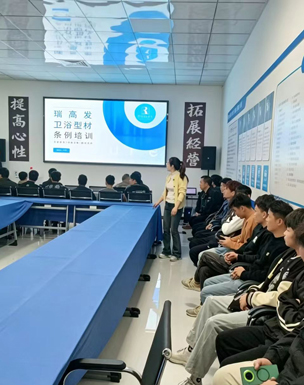
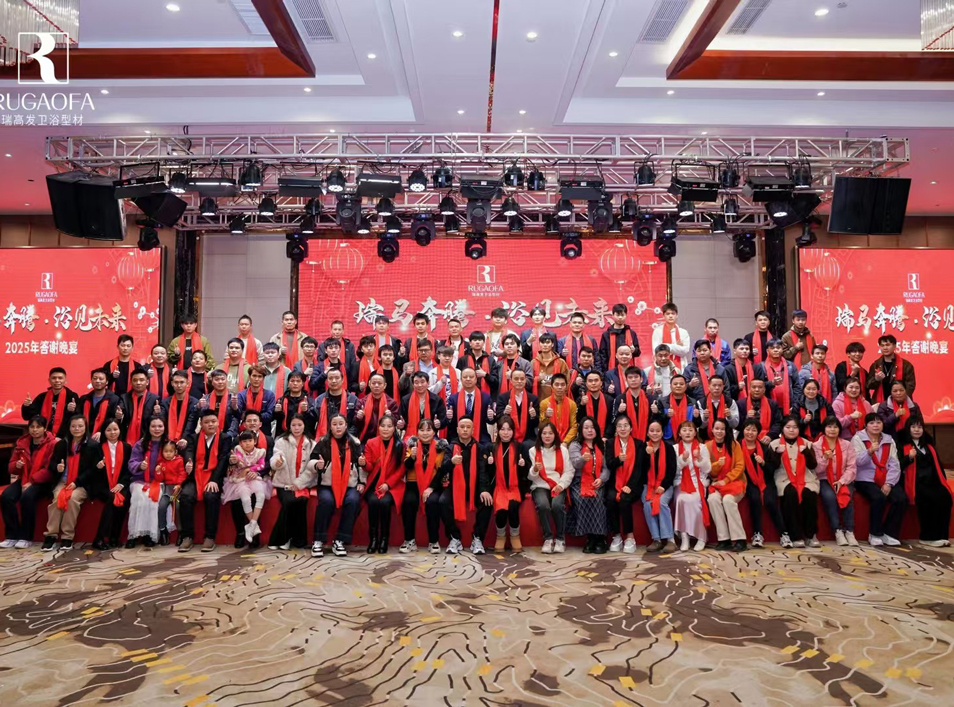
We are a large-scale source factory integrating R&D, production, sales, and customization for stainless steel shower enclosure profiles. With years of expertise in the sanitary ware profile manufacturing sector, we operate a standardized, modern production base equipped with fully automated precision production lines, a professional R&D and design team, and a stringent quality control system. Specializing in serving global sanitary ware brands, finished shower enclosure manufacturers, foreign trade distributors, and project contractors, we deliver high-quality, cost-effective, comprehensive stainless steel shower enclosure profiles and one-stop supply solutions, establishing ourselves as a core player in the global sanitary ware profile supply chain.

of experience




In 5-star hotels and luxury resorts, the guest bathroom is a critical benchmark of luxury. Frameless walk-in showers with heavy-duty swing doors are standard specifications. These environments require hardware that can withstand continuous daily use by various occupants while maintaining a premium feel. The swing hinges must feature robust internal gaskets (typically made of high-durability neoprene or silicone) to prevent metal-on-glass friction, ensuring silent operation and preventing glass slippage over time. Furthermore, the hardware must resist harsh chemical sanitizers used by housekeeping staff without losing its luster or structural integrity.
High-end residential projects often feature custom floor plans requiring non-standard glass dimensions. Homeowners frequently request floor-to-ceiling glass panels to maximize light and space. Supporting these massive panels requires heavy-duty hinges capable of handling glass thicknesses up to 15mm. Precision adjustment is another key requirement; hinges must allow for slight adjustments during installation to compensate for out-of-plumb walls, ensuring a perfect seal and preventing water leakage.
Walk-in showers are essential for universal design, providing barrier-free entry for individuals with mobility challenges. A heavy-duty frameless swing door hinge assembly that allows the door to swing 180 degrees (both inward and outward) is highly beneficial. This bidirectional movement ensures easy entry and exit, allows users to turn on the water before entering, and provides safe access in emergencies. The hinges must also offer low resistance to opening while maintaining structural stability.
Commercial spa environments feature high humidity, elevated temperatures, and exposure to mineral-rich steam. Standard hardware corrodes rapidly under these conditions. Marine-grade SUS316 stainless steel profiles and heavy-duty hinge assemblies are essential here. The hardware must feature specialized sealing technology to protect internal springs and pivot mechanisms from moisture ingress, ensuring smooth operation and preventing rust and squeaks.
When specifying heavy-duty frameless hardware assemblies, architects must evaluate: (1) Maximum weight capacity per pair of hinges, (2) Glass thickness compatibility (typically 8-12mm), (3) Wall-mount vs. glass-to-glass mounting configuration, and (4) Corrosion resistance ratings (such as salt spray test hours).
Welcome to learn about our company
Diverse designs and complete specifications